Partnership for
Health System
Sustainability and
Resilience
What is PHSSR?
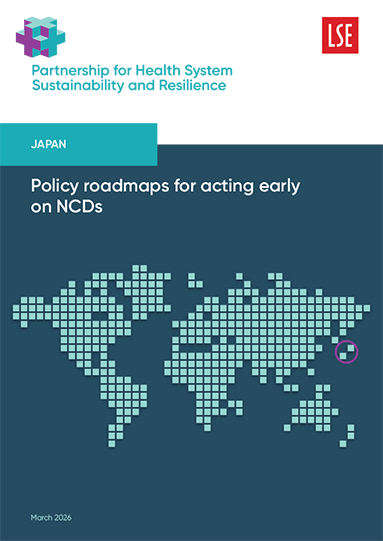
The COVID-19 pandemic exposed the vulnerabilities of health systems worldwide, highlighting the urgent need to achieve both sustainability and resilience in healthcare. In response to this global challenge, the Partnership for Health System Sustainability and Resilience (PHSSR) was launched in 2020 by the World Economic Forum (WEF) and the London School of Economics and Political Science (LSE), in collaboration with global partners including AstraZeneca. PHSSR conducts its activities through analyses based on seven core domains—governance, financing, healthcare workforce, service delivery, medical products and technologies, population health, and environment. These domains serve as a framework for identifying the strengths, weaknesses, opportunities, and challenges of health systems across countries, and for developing actionable, evidence-based recommendations. PHSSR has entered a new phase with the full-scale launch of its “Policy Roadmaps” in 2025. The initial focus of this phase is on “acting early on non-communicable diseases (NCDs),” with the aim of presenting evidence-based, actionable policy recommendations and measurable national targets tailored for implementation across participating countries.
Action for the PHSSR in Global
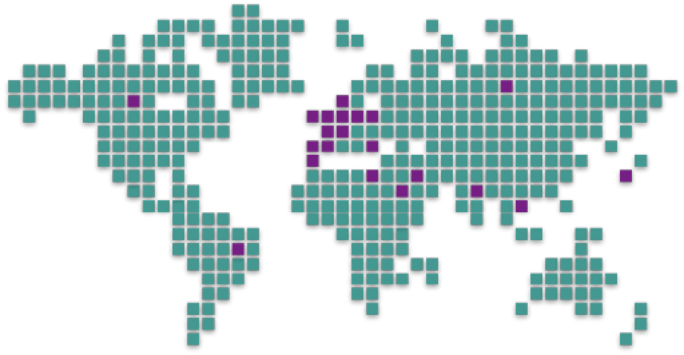
Zoom-in on PHSSR’s impact on a global levelAmplifying research findings on global stages
Facilitating cross-sectoral best-practice exchange and driving positive reform across the globe.
-
- In Germany,
a PHSSR sustainability index is used to showcase priority areas for policy reform.
- In Germany,
-

- In Brazil,
PHSSR informed the prioritisation of policy topics for the newly formed government.
- In Brazil,
-

- In Japan,
recommendations on development of a digital health platform have been implemented by the government.
- In Japan,
-

- In the Netherlands,
the Ministry of Health (MoH) has leveraged the PHSSR to determine the policy direction for the government.
- In the Netherlands,
-

- In Poland,
the MoH applied a PHSSR resilience framework to evaluate its long-term health strategies.
- In Poland,
-

- In Abu Dhabi,
PHSSR anchored a partnership with the government on the development of a Breast Cancer AI Research Platform and Quality Improvement Tool.
- In Abu Dhabi,
-

- In Vietnam,
PHSSR collaborates with the MoH under a Memorandum of Understanding on improving prevention of non-communicable diseases (NCDs) and health system strengthening.
- In Vietnam,
-
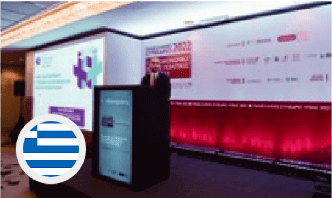
- In Greece,
MoH representatives joined the PHSSR working group and leveraged the recommendations to shape its national NCD prevention strategy.
- In Greece,
How PHSSR drives impact
Since the establishment of PHSSR in 2020, member organisations and research institutions have presented its work on global platforms, showcasing research findings and reaching senior policymakers to drive impact and influence prioritisation of policy topics.
-
- Highlights
-
- ● PHSSR leverages global platforms to amplify its findings, including during WEF Annual Meetings, the World Health Summit, COP28, EXPO in Dubai and the World Health Assembly.
- ● PHSSR regularly features on the agenda of the World Economic Forum’s Annual Meeting (2022 and 2024). In 2024, PHSSR member organisations participated in a plenary panel discussion with Brazil’s MoH and the Director General of the WHO.
- ● After two successful virtual Summits, the PHSSR organised a live third Summit during Abu Dhabi Global Healthcare Week, in collaboration with the Department of Health Abu Dhabi (DOH). Speakers included MoHs from Greece and Egypt, the Chairman of the DOH, representatives from WHO, researchers and PHSSR member organisations.
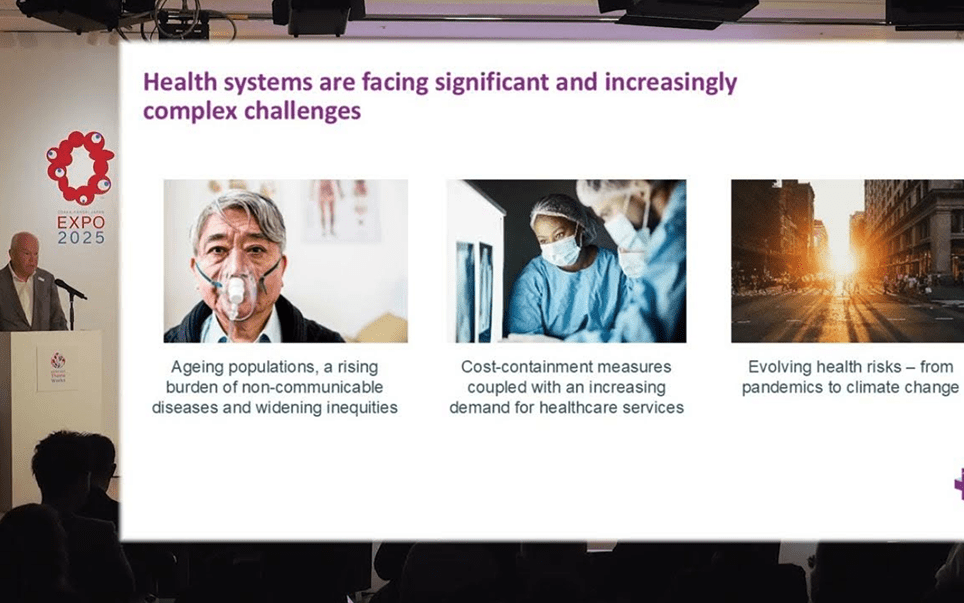
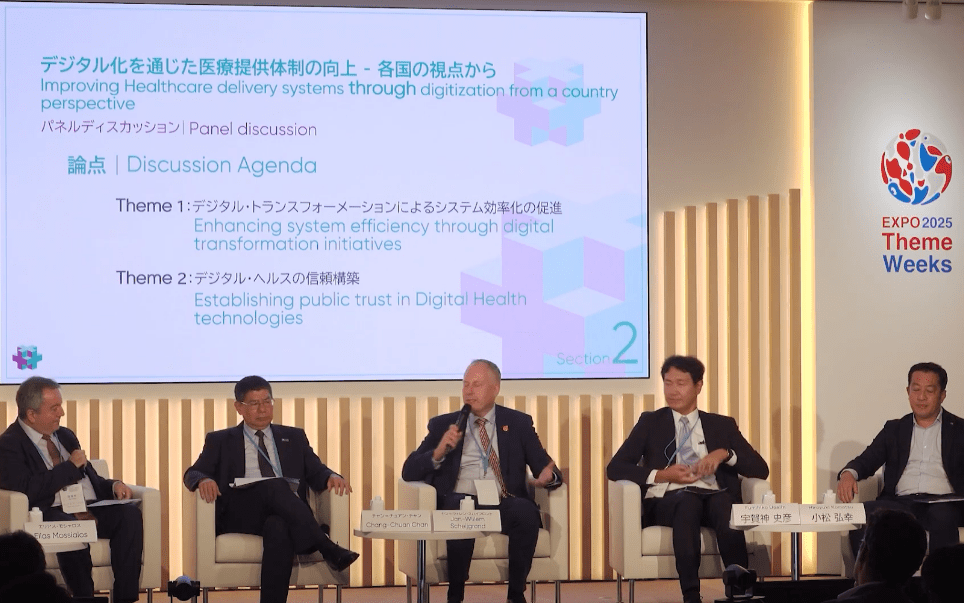
- ● PHSSR hosted a summit at Osaka Expo 2025 in Japan titled ‘Co-designing stronger health systems: Transforming care for all’.
-
- Plans
-
- ● Further building the PHSSR network, the partnership will continue to leverage speaking opportunities on the global stage, such as the upcoming COP29 in Azerbaijan, WHS in Berlin and WEF AM in Davos.

-
- Impact
-
- ● 15+ MoHs involved in PHSSR Summits and events.
- ● 2,000+ cross-sectoral attendees reached via PHSSR Summits.
- ● 2 successful PHSSR dinners during the World Health Assembly, including attendance from research leads.
- ● 2 PHSSR sessions at the World Economic Forum’s Annual Meeting.

PHSSR Activities in Japan
History of PHSSR Japan
Healthcare DX and Planetary Health
- ● Through policy proposals and advocacy activities through PHSSR, we have succeeded in positioning Healthcare DX as the country’s top priority policy.
- ● G7 Health Minister Meeting Agenda was closely aligned with the PHSSR Japan report.
- ● Our advocacies at G7 and COP28 steered the GoJ towards ATACH accession.
-
- 2022
-
 Jan 31
Prof. Miyata presented the interim report at Dubai Expo
-
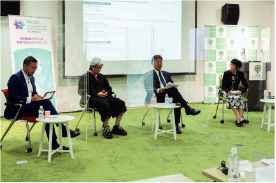 Apr 14, May 17
Conducted advocacy to Politicians, Symposium & Media seminars
-
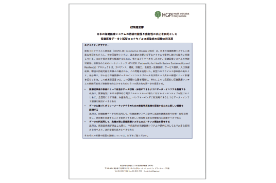 May 31
Published Policy Recommendation “Using Data and Lessons from COVID-19”
-
 Jun 7
GoJ stated Healthcare DX in Honebuto 2022
-
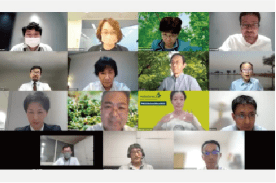 July
Domain 7: Environmental Sustainability: HGPI launches a spin-off project called Planetary Health.
-
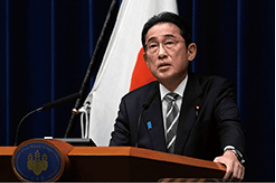 Oct 12
Healthcare DX Task Force HQ was set up by PM Kishida
- Establishment of
“National Medical
Information Platform” - Standardisation of EMR
(Electric Medical Record) - Digital transformation of
revision of MSF
(medical service fees)
- Establishment of
-
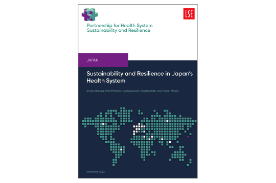 Nov 22
Published Japan Report
-
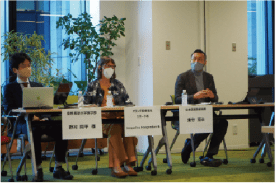 Oct 31, Dec 14, Dec 23
Media seminar held to promote PHSSR, including international comparisons
-
- 2023
- 2023
-
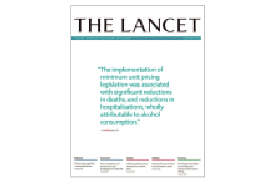 Apr 4
Professor Nomura joined the G7 Global Health Task Force and proposed the agenda for the G7 Nagasaki Health Ministers’ Meeting in The Lancet.
-
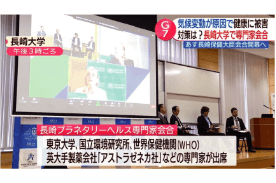 May 12
The Nagasaki Planetary Health Expert Meeting was held as a satellite symposium of the G7 Nagasaki Health Ministers’ Meeting.
-
 Jun 16
“Climate crisis” and “One Health” was clearly stated in G7 Communiqué
-
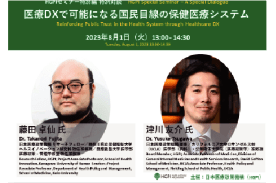 Aug 1
Derivative project launched at HGPI: Healthcare DX Project
-
- 2024
-
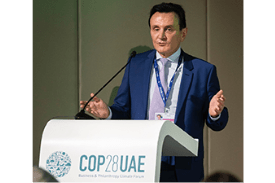 Dec 3
During “COP28 Health Day”, AstraZeneca CEO Pascal Soriot and Vice Minister of Health, Labour and Welfare Mr. Hamachi held a dialogue.
-
- 2024
-
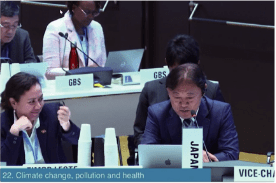 Jan 27
GoJ announced its intention to join ATACH (Alliance for Transformative Action to Climate and Health)
-
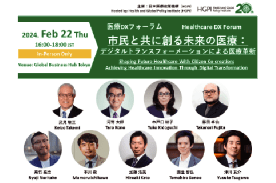 Feb 22
Healthcare DX Forum held. Video messages from the Ministers of Health, Labor and Welfare and Digital Agency shown
-
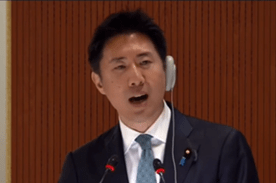 May 28
At the 77th World Health Assembly (WHA), the Government of Japan officially joined ATACH (Alliance for Transformative Action on Climate and Health).
-
- 2025
-
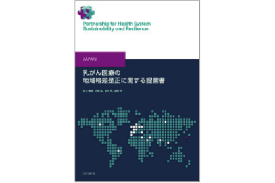 Jan 31
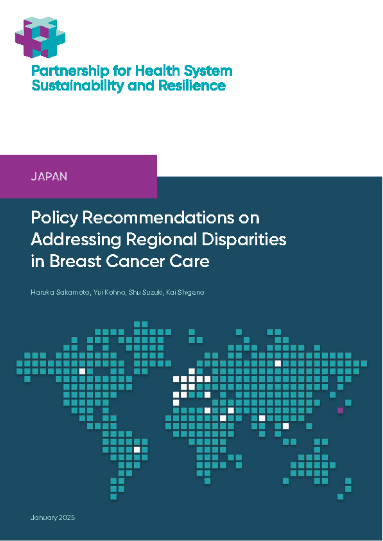
Published “Policy Recommendations on Addressing Regional Disparities in Breast Cancer Care”
-
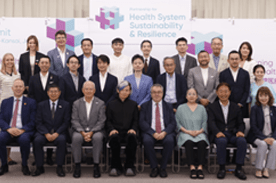 June 30
At Expo 2025 Osaka, Kansai, the PHSSR Summit 2025 was held under the theme: “Co-creating More Resilient Health Systems — Transformative Care for All.”
PHSSR Japan – priority focus areas and policy wins to date
Since 2021, we have engaged with the government and key stakeholders on the following shared priorities, which we can further accelerate at EXPO
-
- Healthcare DX (digitisation)
-
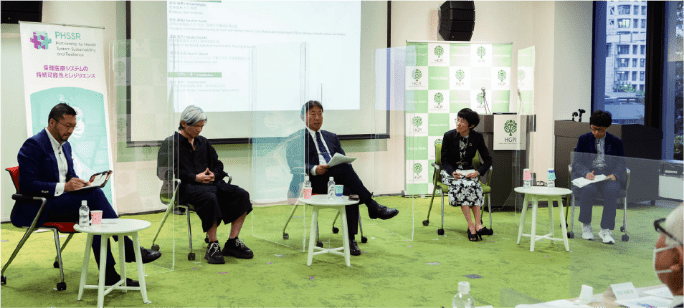 Through policy proposals and advocacy activities through PHSSR, we have succeeded in positioning Healthcare DX as the country’s top priority policy.
-
- Early action on NCDs
-
 COPD mortality reduction target at the ‘Third Health Japan 21’
Measures to combat CKD in the ‘Honebuto 2023’ policy
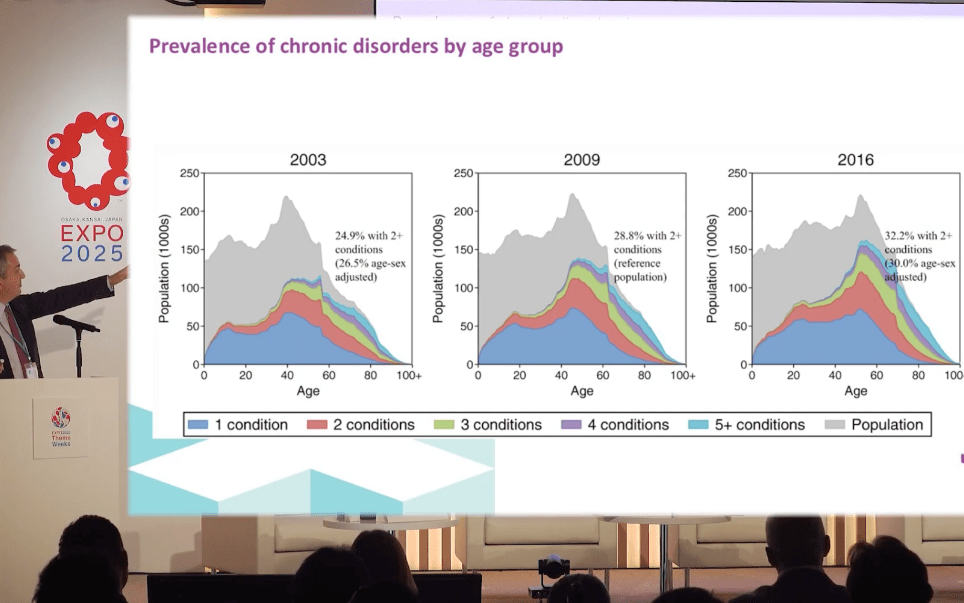
PHSSR has helped to ensure the need for early action on NCDs is stated in national policy.
-
- Planetary Health
-
 G7 Health Minister Meeting Agenda was closely aligned with the PHSSR Japan report. Our advocacies at G7, Board Visit 2023 and COP28 steered the GoJ towards ATACH accession.
-
- No-one left behind
-
 In Sep 2023, the “UK-Japan High-Level Health Policy Dialogue” advocated the role of neutralising antibody drugs to policymakers.
Members
※Title at the time of joining the appointment. Honorifics omitted.
Advisory Board Members for the 1st PHSSR Report (October 2021)
-
Domain1:Health System Governance
- Keizo Takemi
- (member of the House of Councillors, LDP)
- Ryozo NAGAI
- (President, Jichi Medical University)
-
Domain2:Health System Financing
- Kazumasa Oguro
- (Prof, Faculty of Economics, Hosei University)
-
Domain3:Health System Workforce
- Yasuhiro Suzuki
- (Advisor to the Minister, MHLW)
- Ikuko Toyoda
- (President of the NPO “Kakehashi”)
-
Domain4:Medicine and Technology
- Takuko Sawada
- (Director of the Board, EVP, Shionogi)
- Masahiro Muto
- (Charman, Tetsuyukai Medical Corporation)
-
Domain5:Health Service Delivery
- Satoko Hotta
- (Prof., Graduate School of Health Management, Keio University)
-
Domain6:Population Health
- Reiko HayashI
- (Deputy Director-General, National Institute of Population and Social Security Research (IPSS))
-
Domain7:Environmental Sustainability
- Masahiro Hashizume
- (Prof., International Health Policy, Graduate School of Medicine, The University Tokyo)
Advisory Board Members for the PHSSR NCDs (2025)
-
Domain1:Population Health
- Naoki Kondo
- (Professor and Chair, Department of Social Epidemiology, Graduate School of Medicine and School of Public Health, Kyoto University)
-
Domain2:Health System Governance
- Keizo Takemi
- (House of Councillors, Japan / Former Minister of Health, Labour and Welfare)
- Ryozo Nagai
- (President, Jichi Medical University)
-
Domain3:Health Service Delivery
- Shigekazu Komoto
- (M.D.,Ph.D. Professor, Department of Health Policy and Evaluation Hokkaido University Graduate School of Medicine)
-
Domain4:Health System Financing
- Masahiro Sano
- (Deputy president, National Federation of Health Insurance Societies (Kenporen))
-
Domain5:Health System Workforce
- Yasuhiro Suzuki
- (President, International University of Health and Welfare; Former Vice-Minister for Health, Ministry of Health, Labour and Welfare)
-
Domain6:Medicines and Technology
- Takuko Sawada
- (Director and Vice Chairperson of the Board, Shionogi & Co., Ltd)
-
Domain7:Environmental Sustainability
- Masahiro Hashizume
- (Professor, Department of Global Health Policy, Graduate School of Medicine, The University of Tokyo)
-
Patient
- Naomi Sakurai
- (President, Cancer Solutions Co., Ltd / Expert Member, the Council for Promotion of Regulatory Reform)
-
NCDs
- Jun Sasaki
- (Chairman of the Board of Directors and Medical Director, Yushokai Medical Corporation / Expert Member, Council for the Promotion of Regulatory Reform)
- Tomonori Okamura
- (Professor, Department of Preventive Medicine and Public Health, Keio University School of Medicine / President, The Japanese Society of Cardiovascular Disease Prevention / Committee Member, the Health Japan 21 (Third Term) Promotion Special Committee, Ministry of Health, Labour and Welfare)
- Shoichiro Tsugane
- (Professor, Graduate School of Public Health, International University of Health and Welfare / Former Director of the Centre for Public Health Sciences, National Cancer Center, Former Director of the National Institute of Health and Nutrition)
- Koichi Fukunaga
- (Professor, Pulmonary Division, Department of Medicine, Keio University, School of Medicine)
-
Media
- Mamoru Ichikawa
- (A Healthcare Communicator / Associate Professor, Department of Media Sociology, Faculty of Sociology, Musashi University / Executive Board Member, Japan Medical Journalists Association)
Comments from the PHSSR Japan Advisory Board Members
-
-
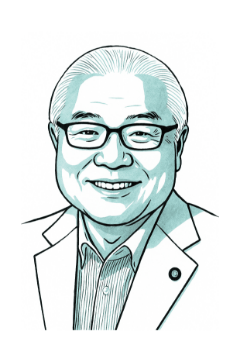 Keizo Takemi
-
House of Councillors, Japan / Former Minister of Health, Labour and Welfare
Read CommentDelaying action on NCDs could trigger systemic collapse in Japan during the 2030s. The PHSSR Policy Roadmap is a bold effort to present scientifically grounded, effective early interventions to countries worldwide. To ensure the sustainability of healthcare and long-term care systems, society as a whole must recognize the urgency of the crisis and begin to act. As a super-aged society, Japan has both the responsibility and the opportunity to demonstrate its insights and determination to the international community. I hope this report will serve as a catalyst for advancing global discussions at the United Nations General Assembly and the Osaka-Kansai Expo.
-
-
-
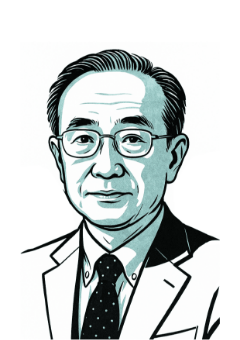 Shoichiro Tsugane
-
Professor, Graduate School of Public Health, International University of Health and Welfare / Former Director of the Centre for Public Health Sciences, National Cancer Center, Former Director of the National Institute of Health and Nutrition
Read CommentFor NCD (Non-Communicable Disease) prevention, comprehensive primary prevention is more effective than disease-specific approaches. The current screening-centered medical interventions are inefficient, and measures addressing behavioral and environmental risks that focus on common risk factors should be prioritized. In fact, reduced smoking rates and decreased sodium intake have lessened disease burden. However, these individual efforts have limitations, and improving the social environment is necessary to tackle health disparities. Moreover, while prevention is currently not covered by public insurance, I believe that truly effective preventive medical services should be covered by the Japanese health insurance for all citizens in Japan as well. I look forward to future developments in PHSSR.
-
-
-
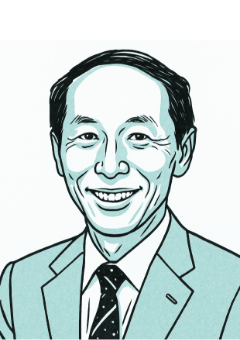 Ryozo Nagai
-
President, Jichi Medical University
Read CommentCongratulations on the completion of the PHSSR NCDs report. PHSSR is a groundbreaking initiative that enables a thorough evaluation of healthcare systems across countries from the same perspective by establishing globally common domains. We expect that it will continue to address all themes in healthcare, including NCDs, and contribute to improving healthcare quality, policy implementation, and institutional reform.
-
-
-
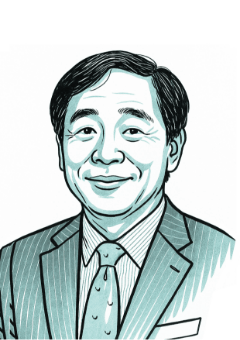 Tomonori Okamura
-
Professor, Department of Preventive Medicine and Public Health, Keio University School of Medicine / President, The Japanese Society of Cardiovascular Disease Prevention / Committee Member, the Health Japan 21 (Third Term) Promotion Special Committee, Ministry of Health, Labour and Welfare
Read CommentThrough PHSSR NCDs initiatives, the strengths of Japan’s healthcare system for protecting health are evident. Representative examples include the universal health insurance system that enables people to receive advanced medical care at low cost, and health checkups provided to all citizens in communities and workplaces nationwide. On the other hand, there are many areas where the system has become rigid and inflexible, which makes it difficult to respond to future changes such as aging and declining birthrate. We believe that introducing and integrating an international perspective through PHSSR will lead to building and developing a sustainable healthy society.
-
-
-
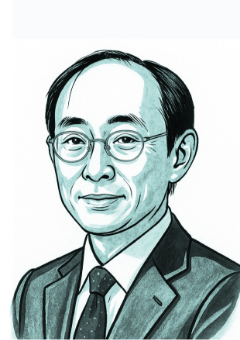 Masahiro Hashizume
-
Professor, Department of Global Health Policy, Graduate School of Medicine, The University of Tokyo
Read CommentCongratulations on the completion of the PHSSR NCDs report. This report is a valuable achievement that visualizes the structural challenges of Japan’s healthcare system regarding non-communicable diseases (NCDs) and presents effective policy recommendations from the perspectives of sustainability and resilience. In particular, the comprehensive analysis based on the three-tier structure of prevention and the emphasis on addressing complex issues such as health disparities and climate change will serve as important and notable guidelines for future NCD countermeasures. We hope that this report will be widely shared internationally and contribute to strengthening healthcare systems in various nations.
-
-
-
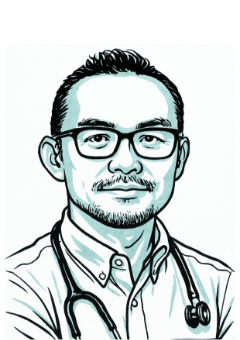 Jun Sasaki
-
Chairman of the Board of Directors and Medical Director, Yushokai Medical Corporation / Expert Member, Council for the Promotion of Regulatory Reform
Read CommentChanges in the socioeconomic environment, including NCDs and aging, along with the accompanying changes in disease structure, are global challenges that require a redefinition of healthcare itself. Through PHSSR, the current state and challenges of health and medical systems have been presented and visualized in an internationally comparable format, and we hope this will lead to the formation and implementation of better policies.
-
-
-
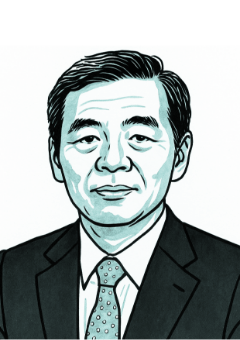 Masahiro Sano
-
Deputy president, National Federation of Health Insurance Societies (Kenporen)
Read CommentCongratulations on the completion of the PHSSR NCDs report. PHSSR’s approach of discerning issues from different domains with an extremely broad perspective and deriving the responses that will be necessary for Japan in the future through comparisons with other countries provides valuable insights and represents a groundbreaking initiative. Moving forward, in order to realize PHSSR’s objective of supporting the development of sustainable and resilient healthcare systems, anticipate contributions that go beyond the framework of NCDs to help solve the challenges faced by each country.
-
-
-
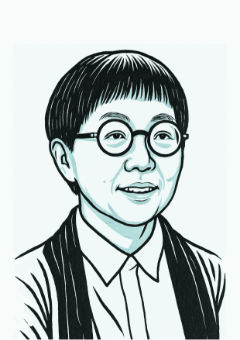 Naomi Sakurai
-
President, Cancer Solutions Co., Ltd / Expert Member, the Council for Promotion of Regulatory Reform
Read CommentHealthcare systems have been established based on each country’s long public health history. While respecting this historical context, it is important to make efforts to continuously evaluate and verify with a common domain. We hope that the matters described in the PHSSR NCDs report will be utilized in the development of policy and institutional issues and in improvement processes.
-
-
-
 Mamoru Ichikawa
-
A Healthcare Communicator / Associate Professor, Department of Media Sociology, Faculty of Sociology, Musashi University / Executive Board Member, Japan Medical Journalists Association
Read CommentRecently, public interest in the healthcare system has been growing, triggered by issues such as high medical expenses. However, the healthcare system has been maintained through a delicate balance involving complex stakeholders including patients, healthcare providers, and corporations, and hasty ‘reforms’ risk that can result in the collapse of the entire system. This PHSSR NCDs report, which I believe represents groundbreaking content, does not turn away from this complexity and comprehensively proposes measures for Japan’s future response to non-communicable diseases.
-
-
-
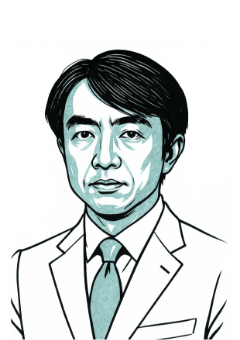 Koichi Fukunaga
-
Professor, Pulmonary Division, Department of Medicine, Keio University, School of Medicine
Read CommentI would like to extend my heartfelt congratulations on the completion of the PHSSR NCDs report. As a pulmonologist involved in clinical practice, measures against non-communicable diseases are an urgent issue requiring strengthened action, and the international perspective and evidence-based evaluation presented in this report are noteworthy and meaningful. I strongly hope that these findings will be widely shared and result in policy and institutional reforms in our country, and furthermore to policy improvements and reformation in other nations.
-
-
-
 Hiroaki Miyata
-
Professor, Health Policy and Management, Keio University School of Medicine since
Read CommentThe pandemic challenged confronted us with the question of ‘what should we protect?’ We can no longer overcome challenges by maintaining the status quo. Japan’s healthcare system is also being forced to reform and transform itself. This report is not merely a set of recommendations, but a blueprint for action. Prevention and early intervention, finance, and digital transformation (DX) are all directly connected to people’s lives and livelihoods. Now is the time we need the resolve to remake our systems with evidence-based data and as our foundation. The public’s reaction to the high-cost medical care system, which is generating debate, is itself a questioning of ‘the nature of healthcare’ itself. ‘Better Co-being’—from the greatest happiness for the greatest number to the greatest happiness for the greatest diversity—we stand at the starting line of this transformation.
-
-
-
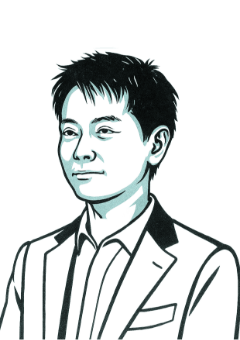 Shuhei Nomura
-
Specially Appointed Professor, Global Research Institute, Keio University
Read CommentPHSSR is a groundbreaking framework that enables the organization and analysis of healthcare system challenges from an international and comparative perspective, addressing the increasingly complex challenges of non-communicable diseases (NCDs). This report employs disease burden analysis as a starting point to highlight the strengths and vulnerabilities of Japan’s healthcare system and presents practical recommendations for achieving early intervention. We hope that the insight acquired from this project will serve as a foundation for future policy decisions and institutional reforms.
-
-
-
 Ryoji Noritake
-
Chair, Health and Global Policy Institute
Read CommentJapan as well as the rest the world are approaching a society of healthy longevity. There is an urgent need to build a society and healthcare system that can maintain the quality of life while living with chronic diseases. In developing the PHSSR Japan report, many stakeholders, including leaders from civil society, engaged in extensive discussions. We hope this will serve as a comprehensive compass for building new healthcare systems.
-
-
-
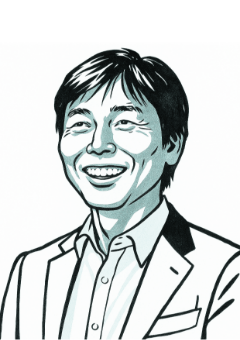 Naoki Kondo
-
Professor and Chair, Department of Social Epidemiology, Graduate School of Medicine and School of Public Health, Kyoto University
Read CommentNow that we have become one of the world’s leading longevity societies, what we should aim for is promoting care that ‘leaves no one behind’. Rather than merely advocating ideals, we should strategically utilize evidence-based data to build healthcare systems that reduce disparities; in this regard, Japan cannot be said to be advanced. This report clearly demonstrates the need for activities aligned with global trends, such as social prescribing which we hope will be implemented across multiple fields.
-
-
-
 Shigekazu KOMOTO
-
M.D.,Ph.D. Professor, Department of Health Policy and Evaluation Hokkaido University Graduate School of Medicine
Read CommentCongratulations on the completion of the PHSSR NCDs report. This is truly a valuable achievement that will serve as an indicator for all PHSSR participating countries as well as all stakeholders worldwide in developing and advancing more resilient and sustainable NCD countermeasures.
-
-
-
 Yasuhiro Suzuki
-
President, International University of Health and Welfare; Former Vice-Minister for Health, Ministry of Health, Labour and Welfare
Read CommentI would like to extend my heartfelt congratulations on the completion of the PHSSR NCDs report. PHSSR is a groundbreaking initiative that has made it possible to evaluate healthcare systems across countries from the same perspective. As a member of the workforce, I have learned a lot about the division of labor among healthcare workers, geographic disparities, substitution through AI, and many other issues. I hope that, starting with NCDs, you will continue to address and evaluate various themes in the future that contribute to policy and institutional reforms.
-
-
-
 Takuko Sawada
-
Director and Vice Chairperson of the Board, Shionogi & Co., Ltd
Read CommentCongratulations on the completion of the PHSSR NCDs report. PHSSR is a groundbreaking initiative that enables an in-depth evaluation of each country’s health care system from the same perspective by presenting globally common domains. By learning from and about global best practices, we expect that not only Japan, but also other countries will be able to implement policy and institutional reforms that contribute to people’s health. While this report focused on NCDs, we hope that it will continue to examine various other themes in the future.
-
Report
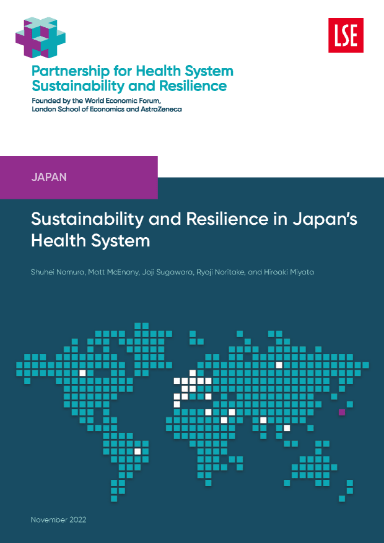
Past Events


-
 Apr 14, 2022
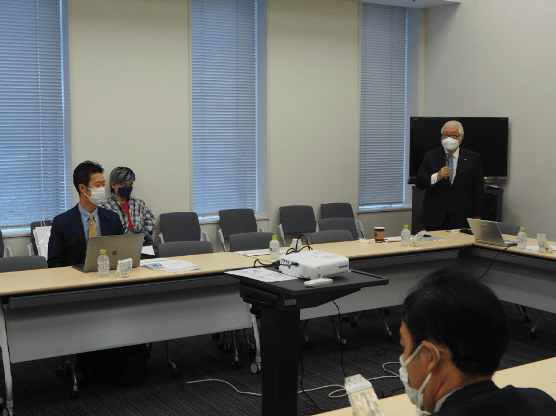
Non-partisan Diet Member Briefing – 30-minute Health Policy Update: “Strengthening Data Infrastructure and Use to Enhance the Sustainability and Resilience of the Health System”
Read more -
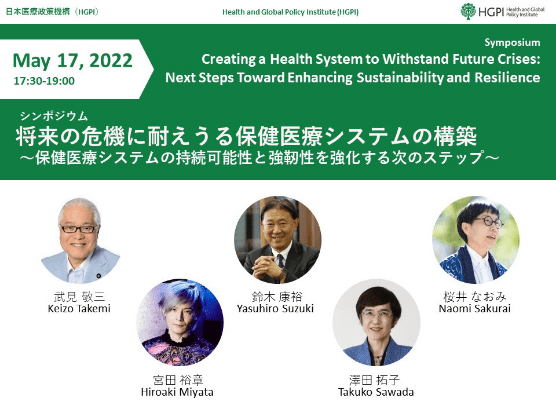 May 17, 2022
Future of the Healthcare System Project Symposium- Creating a Health System to Withstand Future Crises: Next Steps Toward Enhancing Sustainability and Resilience
Read more -
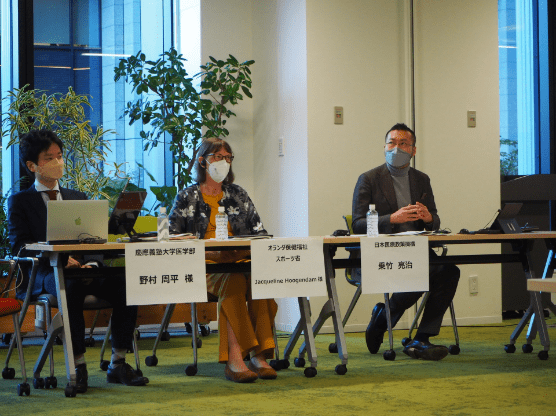 Oct 31, 2022
Future of the Healthcare System Project – The First Media Seminar and Workshop for Promoting Healthcare Reform: Understanding Circumstances and Issues in the Domestic Health Sector Today
Read more -
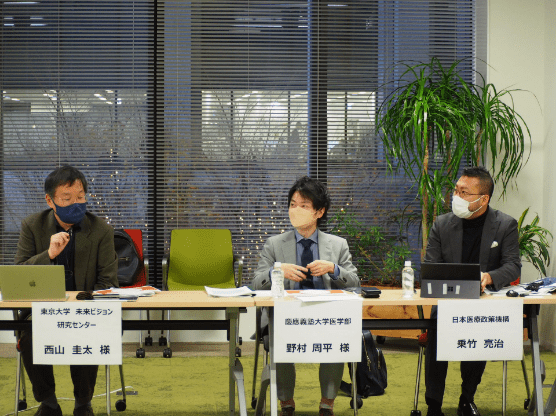 Dec 14, 2022
Future of the Healthcare System Project – The Second Media Seminar and Workshop for Promoting Healthcare Reform: Reexamining Issues and Sharing Opinions on Health Policy in Japan
Read more -
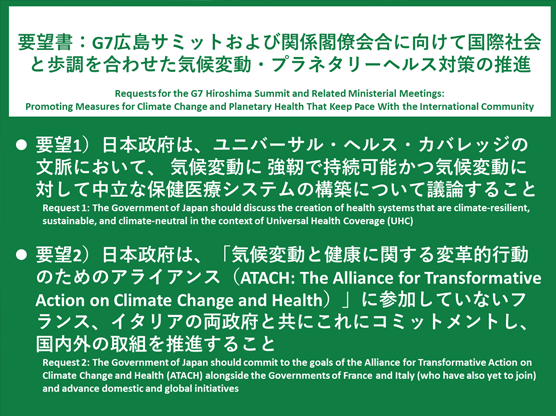 Dec 19, 2022
Requests for the G7 Hiroshima Summit and Related Ministerial Meetings: Promoting Measures for Climate Change and Planetary Health That Keep Pace With the International Community
Read more -
 Dec 23, 2022
Future of the Healthcare System Project – The Third Media Seminar and Workshop for Promoting Healthcare Reform: Reexamining Issues and Sharing Opinions on Health Policy in Japan
Read more -
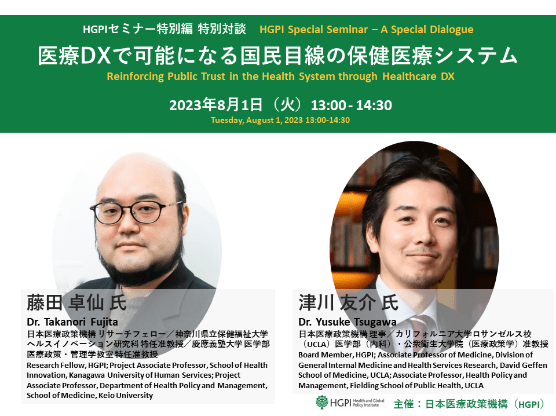 Aug 1, 2023
HGPI Special Seminar – A Special Dialogue “Reinforcing Public Trust in the Health System through Healthcare DX”
Read more -
 Sep 8, 2023
Expectations for the 2023 UHC Political Declaration from a Planetary Health Perspective
Read more -
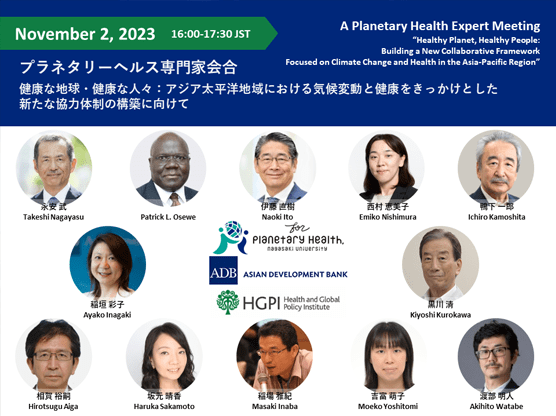 Nov 2, 2023
Planetary Health Expert Meeting “Healthy Planet, Healthy People: Building a New Collaborative Framework Focused on Climate Change and Health in the Asia-Pacific Region”
Read more -
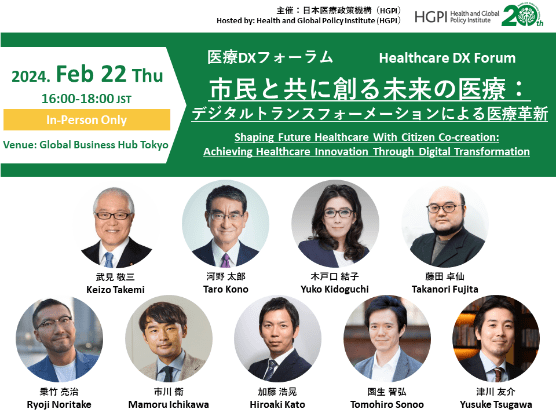 Feb 22, 2024
Healthcare DX Forum “Shaping Future Healthcare With Citizen Co-creation: Achieving Healthcare Innovation Through Digital Transformation”
Read more -
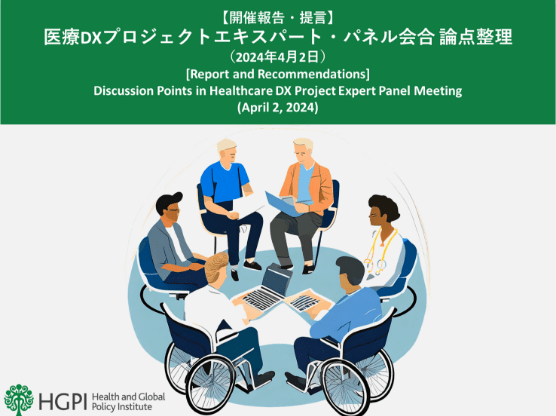 Apr 2, 2024
Discussion Points in Healthcare DX Project Expert Panel Meeting
Read more -
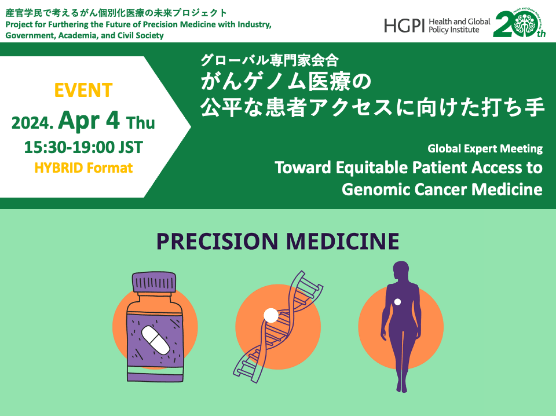 Apr 4, 2024
The Project for Considering the Future of Precision Medicine with Industry, Government, Academia, and Civil Society – The Global Expert Meeting: Toward Equitable Patient Access to Genomic Cancer Medicine
Read more -
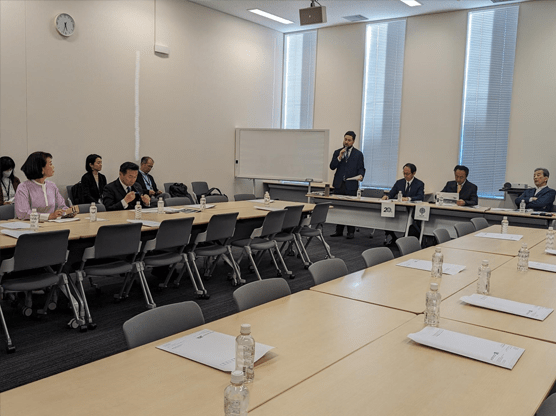 May 16, 2024
Non-partisan Diet Member Briefing – 30-minute Health Policy Update: “Integrating Climate Change Measures and Health Promotion Measures: The Need to Formulate a National Strategy for Climate Change and Health”
Read more -
 July 14, 2025
Invitation-Only Policy Dialogue Event “Cancer Gene Panel Testing from the Perspective of Patient Access: Desired Approaches for the Medical Fee System and Mixed Medical Services Program”
Read more